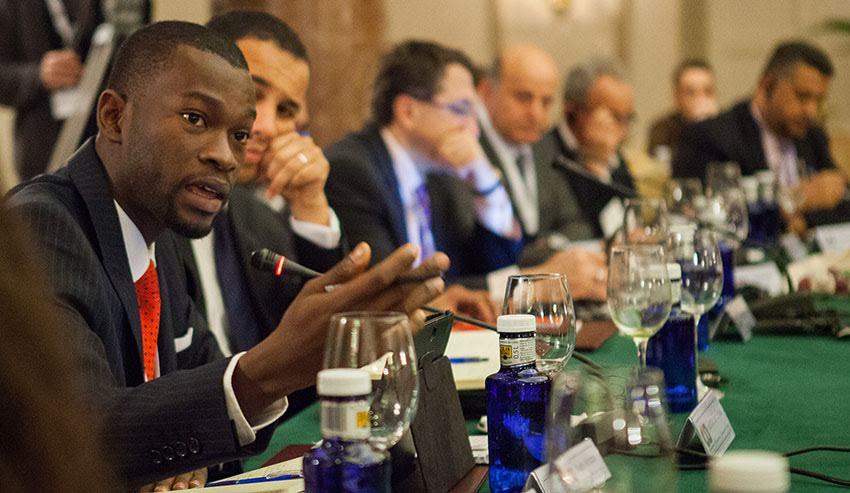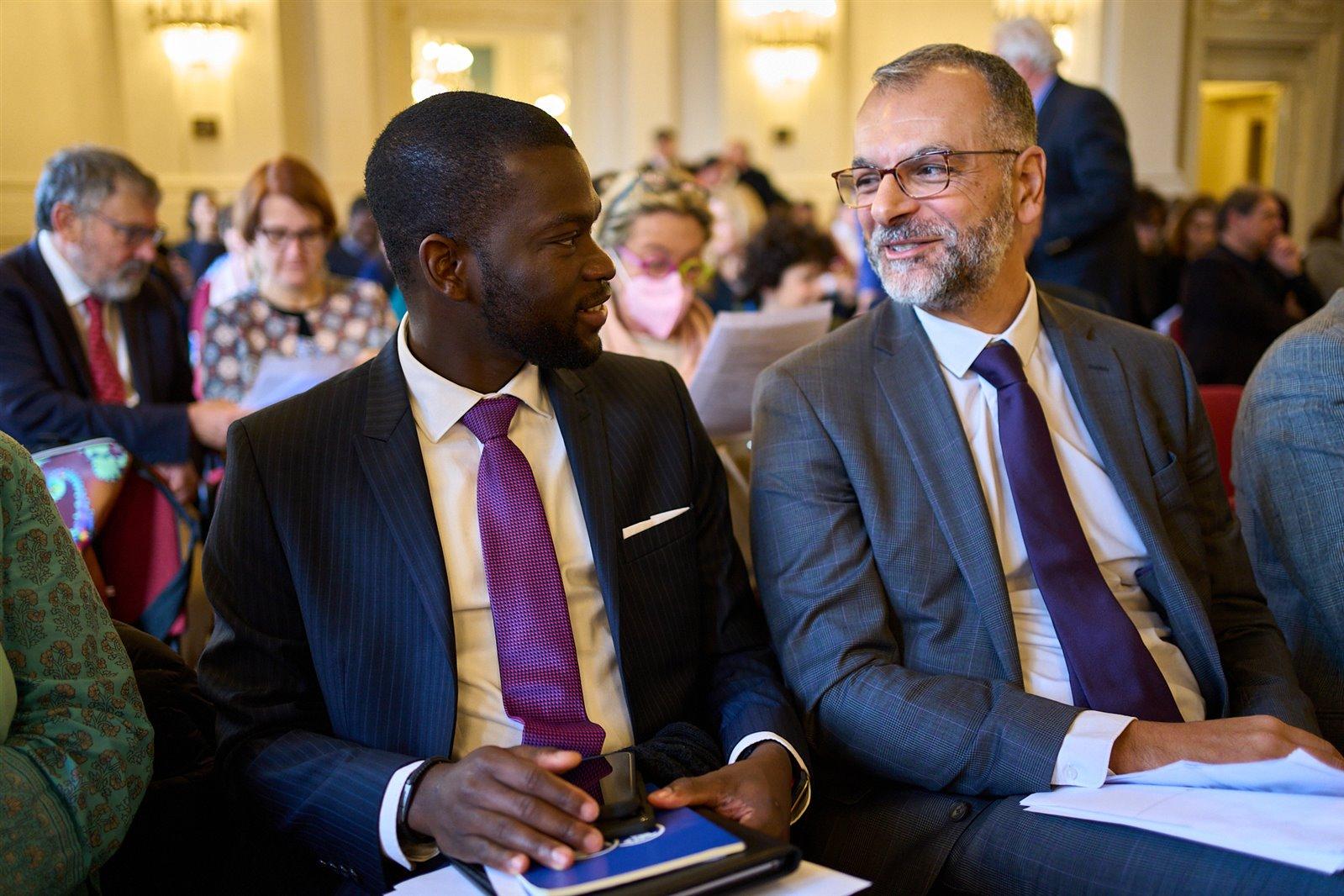
This piece is adapted from the text of a speech that was delivered on 26th November 2022 at the Prefettura in Trieste, Italy to celebrate the 40th anniversary of the founding of UWC Adriatic and to launch Abbracci di Pace, a collection of essays on peace published over a 10 year period reflecting the journeys of young people who previously lived on opposing sides of conflicts but who have found common ground at the United World Colleges.
Friends, colleagues, leaders of the present and leaders of the future: we are gathered here to celebrate 40 outstanding years of an unshakeable commitment to envisioning and enabling a world characterised by peace, international understanding and interpersonal cooperation.
We hold firm our belief in the power of education as an extremely potent vehicle for shaping minds, shaping societies and reshaping the world. On this journey, we recognise all the partners who have worked hand-in-hand with the leadership of the United World College of the Adriatic over four decades to influence the paths of young leaders from all corners of the world who have bravely left everything that they have ever known and made the pilgrimage to Duino; this has changed the course of history and created global ambassadors for Italy all around the world.
We speak of history because history could be an extremely powerful force if we choose to learn just enough from it to influence the ways in which we choose to move forward, rather than allow our knowledge of history to lock us into a chokehold of regret and retrogression.
I believe that if the very land on which we stand today could speak, surely it would have many stories to tell – stories of war and bloodshed, stories of devastation and ruin, stories of empires come and gone, stories of economic boom and bust; eventually stories of cautious co-existence and now stories of cultural confluence. This special place of ethnic and linguistic plurality with all its beauty and complexity provides the perfect backdrop to reflect on 40 years of educating for a more peaceful and sustainable world.
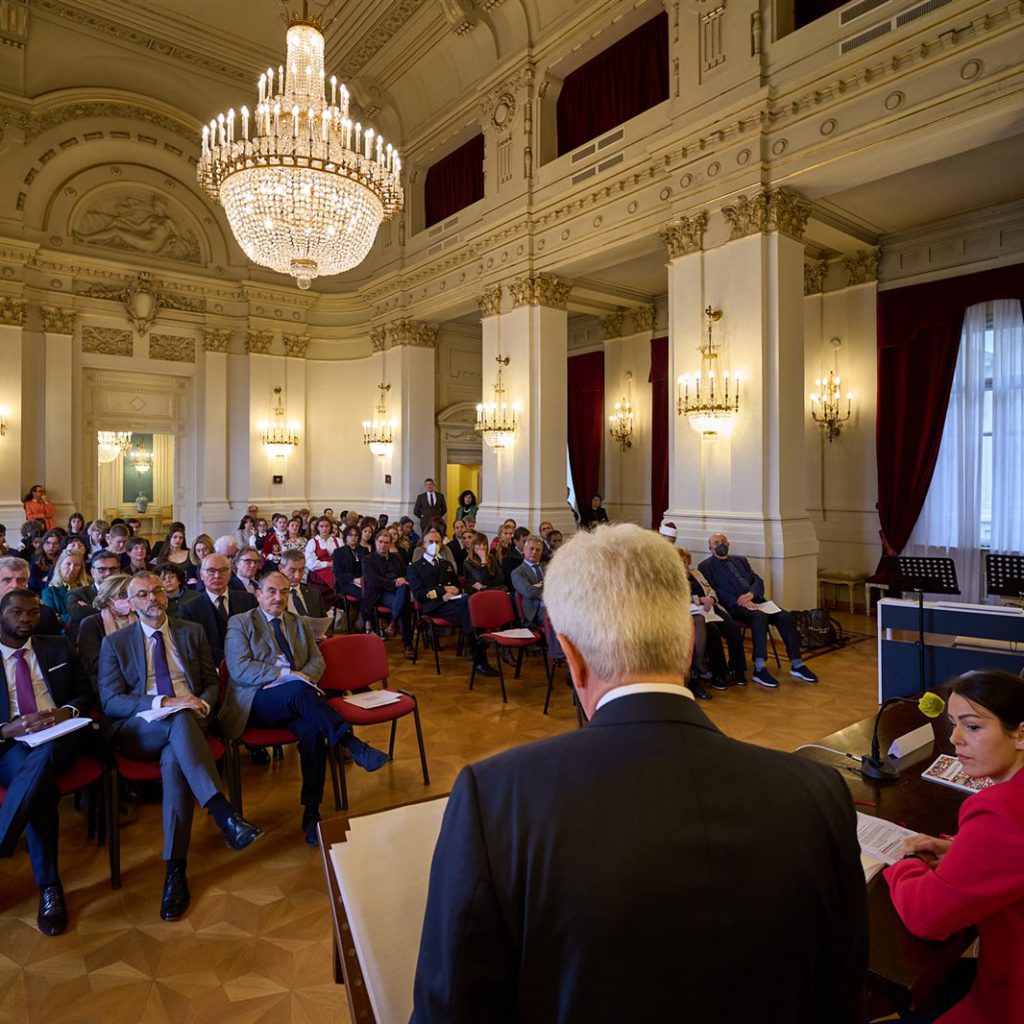
Participants at the Prefettura in Trieste. Image credit: Giovanni Aiello
When we think back to the state of the world 40 years ago when UWC Adriatic was founded, and we think about the founders of the UWC movement and what they had seen in their lifetimes, perhaps we would gain a deeper appreciation for what they chose to make possible as their legacy. People who have lived through war are very likely to cherish peace. Choosing to establish this college at the literal intersection of Eastern and Western Europe was very strategic, but even more so the decision to welcome students from places in the socialist world in Eastern Europe who would otherwise have found themselves ostracised at that time, and then to lend expertise to develop national committees in the Balkans before and after the fall of communist regimes in Europe in order to continue to extend olive branches to young people who know what it means to be on opposite sides of each other. That takes courage, conviction and commitment.
When the world loses its conscience, our best response has always been to act with compassion. That is the value of our brand of education. During the worst periods of the war in former Yugoslavia, UWC Adriatic opened its doors to welcome their young men and women; and when refugees escaped from the Balkans to neighbouring Slovenia and here in Italy, this college was right there with them. We washed their feet, we enveloped them in a warm embrace, and we listened to their stories.
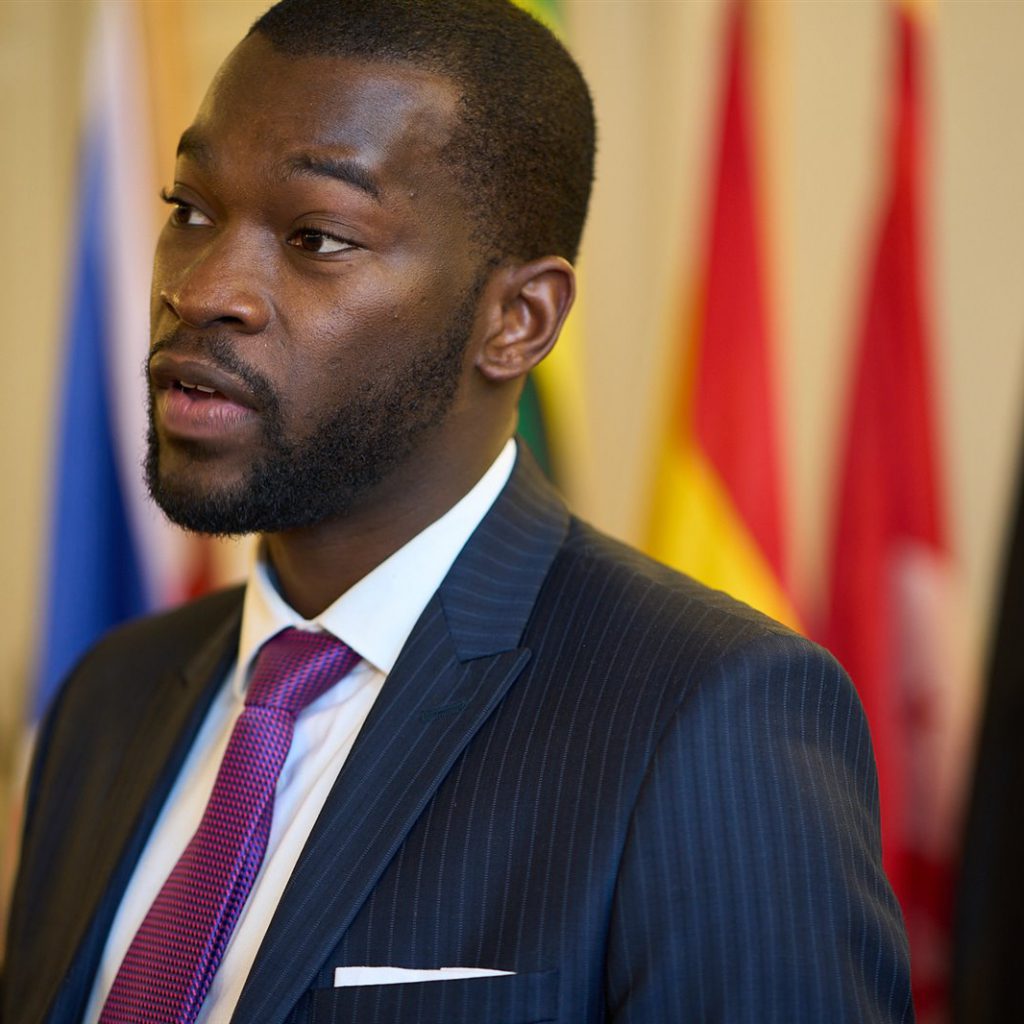
Let us forge common understanding and protect peace at all cost. Image credit: Giovanni Aiello
For the last decade, Cinzia Vitale Onlus has graciously extended a platform to young writers from our college to reflect together on this most valuable aspiration that we hold dear – a world of true peace. I find it really fitting that the winners of this essay competition each year receive a prize named after our former UWC President, the great Nelson Mandela.
When I read Katarina and Anjesa’s joint essay reflecting on their unique journey of mutual discovery through different-coloured lenses of history, I recalled Mandela’s own words, saying “No one is born hating another person because of the colour of his skin, or his background, or his religion. People must learn to hate, and if they can learn to hate, they can be taught to love, for love comes more naturally to the human heart than its opposite.” I know that Nelson Mandela would be proud of Katarina and Anjesa and all who came before them.
So, as we dedicate this collection of treasured stories today, let us take the occasion to recommit to doing everything in our power to continue to build bridges, to forge common understanding and to protect peace at all cost. If anything, this is one cause that is worth fighting for.
NB: Some of the published essays from Abbracci di Pace can be read here.